
6 min to read
The Evolution of Handshake Protocol: Catalyst for a Decentralized Internet
Why Handshake adoption will follow a "slowly, then suddenly" trajectory
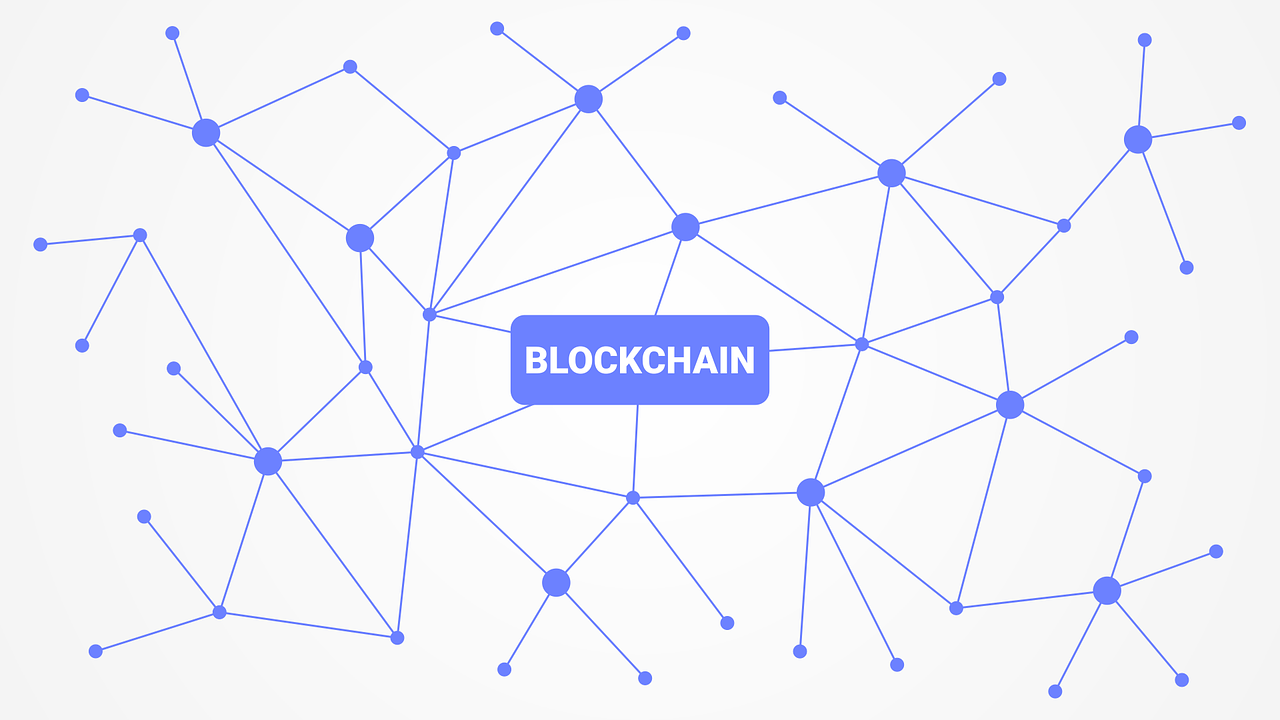
The Handshake Protocol (HNS) is a groundbreaking attempt to decentralize the Internet’s Domain Name System (DNS), a vital but centralized component of the modern web. By introducing a decentralized naming protocol that operates on blockchain technology, Handshake seeks to create a trustless, secure, and censorship-resistant namespace. This essay delves into the technical mechanisms of Handshake, its potential trajectory for adoption, and the reasons why it is poised for a “slowly, then suddenly” growth trajectory, ultimately leading to a decentralized internet.
1. Technical Architecture of Handshake
Handshake is built upon a blockchain infrastructure, leveraging a Proof-of-Work (PoW) consensus mechanism. Its core innovations lie in the following components:
a) Namespace Decentralization
- Handshake replaces the centralized control of the DNS root zone, currently managed by ICANN, with a blockchain-based root zone.
- Each Handshake name (TLD) is auctioned via a Vickrey auction mechanism using the HNS cryptocurrency.
- Ownership of names is recorded immutably on the Handshake blockchain, providing cryptographic assurance of authenticity and eliminating the need for a trusted third party.
b) Blockchain Integration
- Handshake operates on a UTXO (Unspent Transaction Output) model, similar to Bitcoin, ensuring simplicity and robustness in transaction verification.
- Transactions involve domain ownership changes, renewals, and transfers, recorded transparently on-chain.
- Nodes validate the blockchain, maintaining decentralization and resistance to censorship.
c) DNS Compatibility
- Handshake integrates seamlessly with existing DNS infrastructure via stub resolvers or recursive resolvers like hnsd.
- The protocol allows Handshake TLDs to resolve directly in browsers, provided they support Handshake or use plugins/adapters.
d) Security and Privacy
- Handshake leverages DNSSEC (Domain Name System Security Extensions) for cryptographic validation of DNS queries.
- By decentralizing root zone management, it mitigates risks associated with single points of failure and state-level censorship.
2. The “Slowly” Phase: Barriers to Initial Adoption
The initial adoption of Handshake has been slow due to several key challenges:
a) Entrenched Centralization
- The current DNS is entrenched with centralized authorities like ICANN and VeriSign, which benefit from the status quo.
- Transitioning to a decentralized alternative requires overcoming institutional inertia and vested interests.
b) Technical Frictions
- Adoption necessitates technical integrations, such as configuring resolvers or adapting browsers to support Handshake names.
- These changes require both end-user education and infrastructure investment.
c) Limited Ecosystem
- Handshake currently lacks the expansive ecosystem of tools, applications, and user-friendly interfaces seen in centralized DNS.
- Without compelling use cases beyond DNS decentralization, user adoption remains niche.
d) Network Effects
- Traditional DNS benefits from strong network effects, where its value grows as more participants use it. Handshake must bootstrap a competing ecosystem from scratch.
3. The “Suddenly” Phase: Catalysts for Exponential Growth
Despite its slow start, Handshake is uniquely positioned for exponential growth due to several accelerating factors:
a) Censorship Resistance and Privacy Awareness
- Increasing concerns over state-level censorship and data privacy are driving demand for decentralized alternatives.
- Handshake, by design, prevents unilateral domain seizure and tampering, appealing to privacy-conscious users and organizations.
b) Integration with Web3 and Blockchain Ecosystems
- Handshake aligns seamlessly with the broader Web3 movement, which emphasizes decentralization and user sovereignty.
- Integration with decentralized storage (e.g., IPFS), blockchain-based identity systems, and smart contract platforms will drive synergies.
c) Technological Maturity
- As the Handshake ecosystem matures, tools and interfaces (e.g., wallet integrations, browser plugins) will simplify adoption.
- Projects like Namebase and others are building user-friendly platforms, lowering barriers to entry.
d) Incentives for Early Adopters
- Handshake’s auction mechanism creates scarcity and value for early adopters, incentivizing speculative investment and innovation around HNS domains.
- The potential for profit motivates developers to create applications, fueling a virtuous cycle of growth.
e) Support from Key Stakeholders
- Open-source advocates, decentralization enthusiasts, and privacy-focused organizations are likely to champion Handshake as an alternative to centralized DNS.
f) Emerging Markets and Digital Sovereignty
- Developing nations and regions with limited access to centralized DNS infrastructure may leapfrog to Handshake for cost-effective and resilient naming systems.
- Handshake’s decentralized nature aligns with digital sovereignty goals, empowering local communities.
4. Technological Superiority and Network Effect Transition
The eventual tipping point for Handshake lies in its technological advantages over traditional DNS:
a) Reduced Costs and Increased Security
- Handshake eliminates intermediary fees associated with domain registration, significantly reducing costs for domain owners.
- Its blockchain-based root zone ensures tamper-proof security, outperforming traditional DNS in resilience and reliability.
b) Decentralized Application Ecosystem
- By serving as a foundation for decentralized applications (dApps), Handshake TLDs can host censorship-resistant websites and services.
- This capability, coupled with native blockchain interoperability, creates unique opportunities for innovation.
c) Global Inclusivity
- Traditional DNS systems often exclude certain linguistic or cultural communities. Handshake’s namespace is fully customizable, allowing for broader representation and inclusivity.
d) Snowball Effect of Adoption
- As prominent organizations and individuals adopt Handshake, its credibility and utility will rise exponentially, creating a cascading effect of network adoption.
5. Challenges Ahead
Despite its promise, Handshake faces significant challenges:
a) Scalability
- The blockchain underpinning Handshake must scale to accommodate millions of domain transactions without compromising speed or security.
b) Governance and Forking Risks
- Decentralized systems are not immune to governance disputes or protocol forks, which could fracture the ecosystem.
c) Regulatory Uncertainty
- Governments may impose restrictions or regulations on decentralized naming systems, potentially stifling adoption.
d) Interoperability
- Handshake must ensure seamless interoperability with legacy DNS systems to facilitate a gradual transition.
Conclusion: The Road to a Decentralized Internet
The Handshake Protocol represents a paradigm shift in internet infrastructure, challenging the centralized control of DNS with a decentralized, blockchain-based alternative. While its adoption trajectory begins slowly due to entrenched systems and technical hurdles, the convergence of privacy concerns, Web3 adoption, and technological maturation sets the stage for exponential growth. By enabling censorship resistance, cost savings, and decentralized innovation, Handshake is poised to catalyze the evolution of a truly decentralized internet.
The journey to a decentralized internet will not be instantaneous, but the disruptive potential of Handshake suggests that once its adoption reaches critical mass, the transformation will happen “slowly, then suddenly.”
References
[1] Handshake Protocol - Official Website
[2] ICANN - Internet Corporation for Assigned Names and Numbers
[3] Vickrey Auction - Wikipedia
[4] UTXO Model - Wikipedia
[5] DNSSEC - Wikipedia
[6] IPFS - InterPlanetary File System
[7] Web3 - Wikipedia
[8] Namebase - Handshake Domain Marketplace
[9] hnsd - Handshake Daemon


Comments